Spring brings long-awaited warmth, green forests and a desire to spend time in the fresh air.
However, along with the awakening of nature, ticks also come to life. On average, 20–25 percent of ticks living in Lithuania are infected with Lyme disease. According to the National Center for Disease Control and Prevention, 15,438 cases of Lyme disease were registered in Lithuania in 2025, which is slightly more than the record number in 2024, which reached 15,264 cases. The trend is clear: the number of diseases is increasing. The standard treatment is a course of antibiotics, and if the disease is diagnosed in time, it usually works effectively. However,
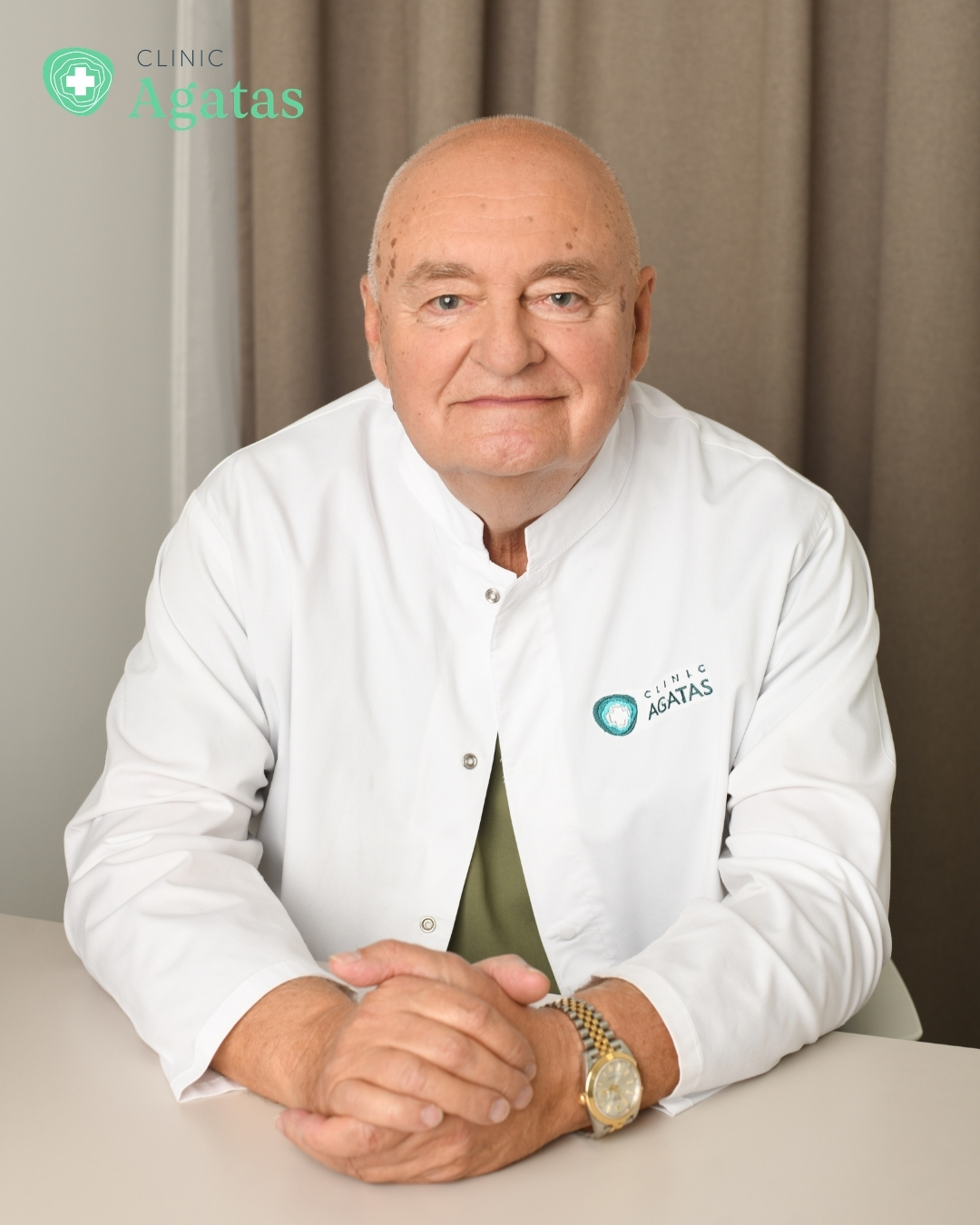
some patients continue to experience symptoms even after successfully completing treatment. In medicine, this condition is called post-therapeutic Lyme disease syndrome. Scientific literature acknowledges that in some people, symptoms can persist for several months, even after the active infection has been controlled. We talk to Clinic Agatas ozone therapy specialist Dr. Diana Petrauskiene about why this happens and what can be done.
Doctor, why do some people still feel unwell after treatment for Lyme disease?
After a course of antibiotics, patients often expect a quick return to their normal well-being. However,
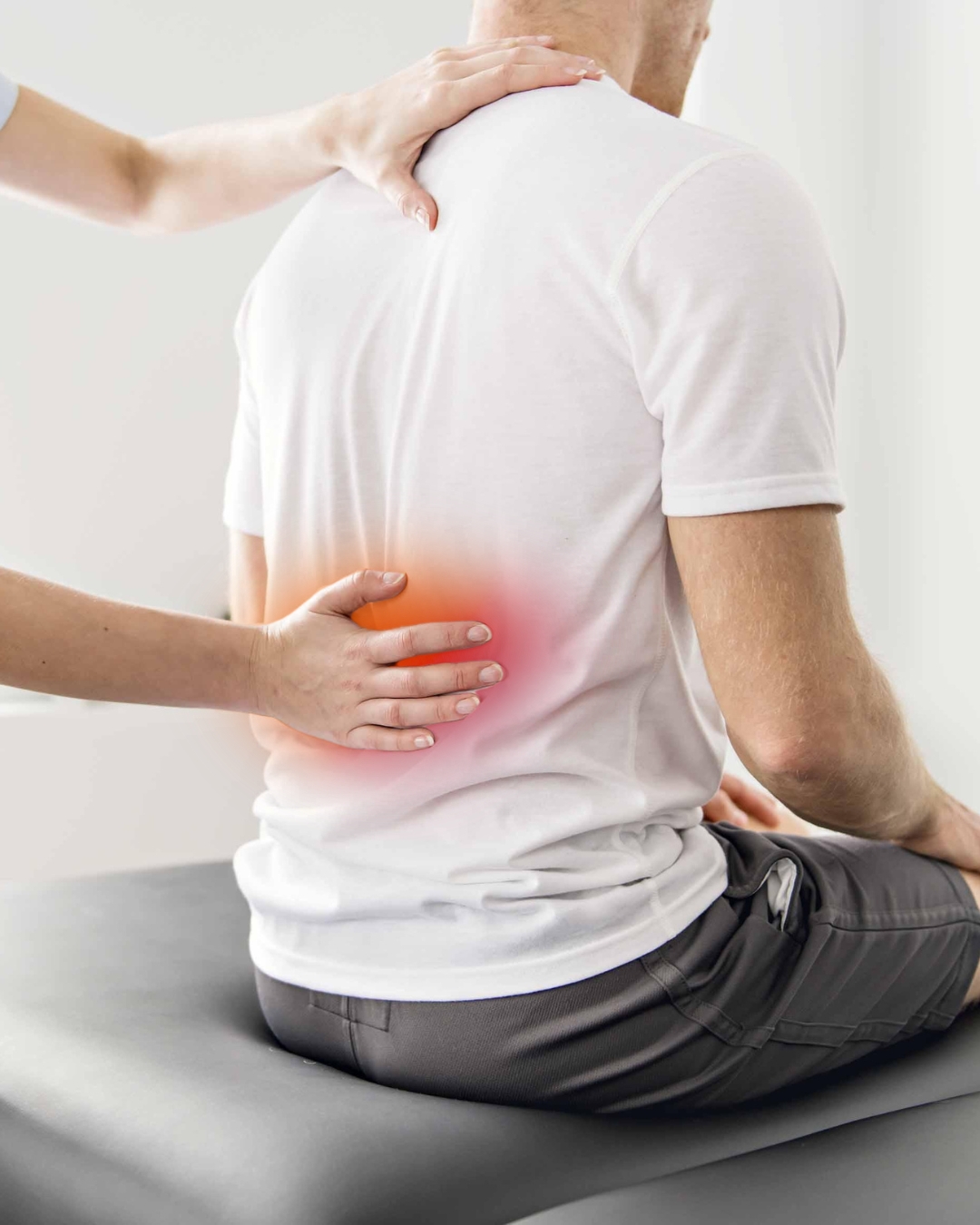
in practice, we see that some people still have a pain syndrome, when pain
seems to be "throwing" throughout the body, chronic fatigue, brain fog, decreased work capacity,
concentration problems, lack of immunity and sleep problems. Scientists today
are considering several possible mechanisms: prolonged inflammatory response, immune system
imbalance, oxidative stress and impaired microcirculation. It is important to understand that in such
cases a person does not necessarily have an active infection. Often the body simply needs help
to recover after an illness and intensive treatment. Perhaps the most effective and natural
help today is intravenous ozone therapy.
Who is ozone therapy most often recommended for?
We most often recommend it to those Clinic Agatas patients who have already completed a course of antibiotics, no longer have signs of active infection, but still feel severe fatigue, lack of energy, impaired concentration, muscle or joint pain, and reduced physical capacity. Before starting the procedures, a doctor's consultation and an individual assessment of the condition are necessary.
Why is ozone therapy relevant for Lyme disease patients?
Let's start with the fact that ozone therapy is nothing new. It has been used in Europe for more than 50 years. In countries such as Germany, Switzerland, Spain or Italy, ozone therapy has long been a standard part of treatment for patients who have residual symptoms after a course of antibiotics. It is important to note that ozone therapy is used as an additional measure after the treatment prescribed by the main infectious disease specialist, when a person still feels side effects of Lyme disease.
the impact of the disease. Today, more and more attention is paid not only to fighting infection, but also to the recovery of the body.
How is ozone therapy performed?
This is an intravenous procedure, during which a small amount of the patient's blood is taken from a vein,
saturated with medical ozone gas and returned back to the bloodstream. Ozone is
made in a specially designed medical device from medical oxygen,
used in strictly controlled concentrations. The procedure itself lasts about
30-45 minutes and is performed only after a doctor's appointment.
How can ozone therapy be useful in the treatment of Lyme disease?
Ozone therapy works on several levels at once. By acting on the causative agents of Lyme disease, it
at the same time reduces the phenomena of chronic inflammation and improves blood circulation. It also improves the oxygen supply to tissues, reduces oxidative stress and stimulates microcirculation. As a result, the
episodes of pain, their duration and intervals between them decrease, the general well-being improves, immunity strengthens and energy returns.
What can a patient expect after a course of procedures and how many do you recommend?
Each organism reacts individually, but most often patients say
that they feel more energetic, clearer thinking, better quality sleep, better well-being
in the morning and faster recovery after physical or emotional exertion. The general condition of the body improves,
pain decreases, immunity strengthens. It is important to know that the first symptoms of improvement
are usually felt by the patient only after the fifth procedure, so patience is needed. After this
disease, a full course of 10 procedures is recommended, and in order to achieve the best long-term
result and for the patient to fully recover, it would be ideal to complete two full courses.
Your word to those still suffering from Lyme disease?
After Lyme disease, patients often feel as if their bodies are exhausted. Even when the
infection is under control, the body may lack the energy to recover. Ozone therapy is not a
miracle solution, but when chosen properly, it can become an important aid for
a person who wants to regain their quality of life, energy, and work capacity faster.
The most important thing is not to delay and take care of yourself in a timely manner.