Back pain often becomes a part of everyday life. At first it only hurts, then it spreads to the leg or arm, and finally it starts to interfere with work, movement and even sleep. However, not everyone knows that there is a minimally invasive treatment method - nucleoplasty, which allows you to reduce pain without major surgery.
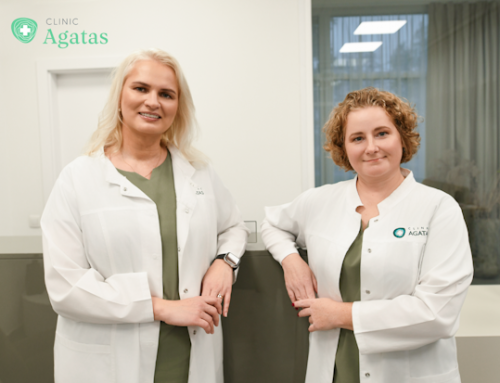
Doctor of Medical Sciences, neurosurgeon Bronius Špakauskas has been performing these operations for 19 years. The doctor is a pioneer of minimally invasive spine surgeries in Lithuania and has introduced a number of modern methods of treating spinal diseases into clinical practice, thus opening up new opportunities for patients suffering from pain caused by a herniated spinal disc.
“Most often, patients seek medical attention when the pain from the back begins to spread to the leg or arm, numbness, tingling or weakness appear. This indicates that the damaged disc is irritating or pressing on the nerve root,” says neurosurgeon B. Špakauskas. These are the typical symptoms of a herniated disc that force patients to seek specialist help.
According to the doctor, these are often people who have already tried medication, rehabilitation, or injections, but the pain persists. In such cases, nucleoplasty can be an effective alternative to traditional surgery.
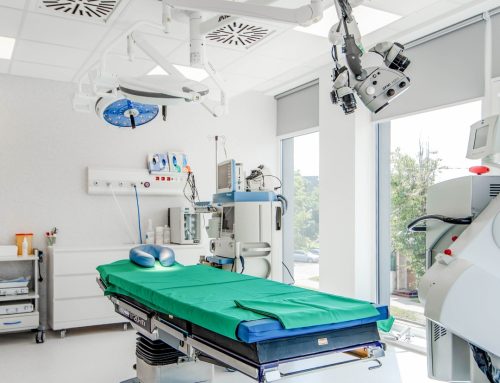
Nucleoplasty is most suitable for patients with a small or moderate disc herniation that is causing symptoms of nerve irritation. During the operation, a thin electrode is inserted into the intervertebral disc through a special needle and radiofrequency destruction of the disc is performed, reducing intradiscal pressure and at the same time pressure on the nerve elements. The intervention usually lasts about an hour, is performed without general anesthesia and is considered minimally invasive.
"The essence of nucleoplasty is to reduce pressure on the nerve without damaging the surrounding tissues. This allows the patient to recover faster and reduces the risk of complications compared to open surgery," the doctor explains.
After the procedure, patients can usually go home the same day or the next day, and light daily activities can be resumed within a few days. For most patients, pain decreases within the first few weeks, and full recovery can take from a few weeks to a few months.
"The most important thing is that the patient is properly selected and follows the recommendations after the procedure. Then the results are usually very good, and the person can return to normal life without constant pain," emphasizes B. Špakauskas.
In recent years, minimally invasive techniques have become an important part of spinal treatment. Nucleoplasty offers the opportunity to reduce pain, improve quality of life, and in some cases, avoid major spinal surgery.