Many patients who need to visit a pain treatment clinic often hesitate due to a common misconception—a fear of becoming dependent on procedures and medications.
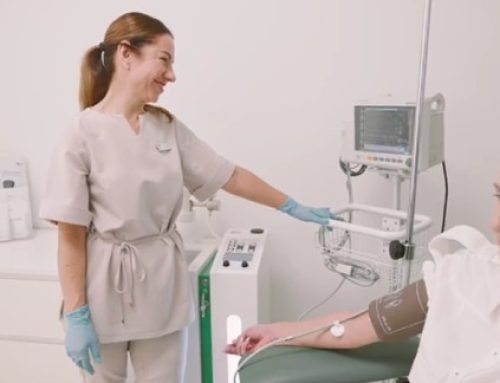
This is not actually true. Pain specialists employ different types of treatments: invasive or medicinal. Invasive treatment involves a mixture of local anesthetics and hormonal medications injected into targeted points. Invasive procedures may include trigger point, ultrasound-guided, X-ray, and epidural injections. Medication-based treatment can also be administered intravenously. All treatment methods are selected by the doctor based on the patient’s condition.

What is Most Important When Starting Treatment?
One of the most important factors is setting a realistic goal with your doctor, a willingness to heal, and mutual trust. Doctors, like patients, want results. At each consultation, the specialist thoroughly examines the patient, reviews their medical history, and explains the type of treatment to be applied, the minimum duration of treatment, and what can be expected.
It's also crucial for patients to actively participate in the treatment process. Both responsibility and attitude matter—after seeing a doctor, is my healing solely in the hands of the doctor, prescribed medications, and procedures? Perhaps it’s worth viewing chronic pain treatment as a process, one that requires following recommendations and taking small but significant steps to help oneself, through exercise, physiotherapy, or massage.
One of the first questions asked by patients dealing with chronic pain is, “How many procedures will I need?” or “Why do the procedures need to be repeated?” Clinic Agatas staff respond by asking, “Did the pain start just last night?” Chronic pain is a prolonged and recurring pain that persists for more than three weeks.
Treatment and procedures need to be repeated, but certainly not forever. There isn’t one “right” way that fits everyone. Some patients have more advanced conditions, and co-existing illnesses may affect treatment outcomes. There are patients for whom we can only reduce pain minimally. Others manage to eliminate it and return to normal life, seeking our help only after a year or two. As the spine naturally continues to wear over time, it may be necessary to repeat a procedure, change the treatment, or consider surgery.
Knowing What to Expect from Pain Treatment, What Should You Not Expect?
You shouldn’t expect that a single specialist will solve all your problems. Pain is not solely a physiological issue. For example, people under intense stress or with a surge of adrenaline may not notice an injury because their attention is focused elsewhere.
Therefore, when starting treatment, you shouldn’t think, “I’ll take a pill, have a procedure, and be healthy again.” Perhaps the doctor also recommended physiotherapy because I haven’t exercised for ten years and work a sedentary job. Or maybe I need the support of a medical psychologist because I can’t stop thinking about the pain, which intensifies it further. Chronic pain significantly impacts daily life, so it’s worth considering the benefits of a comprehensive approach to treatment and helping yourself in every way possible.
Clinic Agatas is a comprehensive team of professionals in their fields. We believe that specialists from different areas, united by a common goal, can significantly reduce or even eliminate existing pain. Clinic Agatas also uses ozone therapy to reduce pain caused by inflammation. If conservative treatment is not effective for a patient, we turn to our clinic’s neurosurgeons who, after assessing the patient’s imaging results, can recommend surgical treatment here at Clinic Agatas.
Clinic Agatas aims to achieve the best possible outcome, so if you have the determination to work together, we will help you remember who you were before the pain.
The registration form for an initial consultation with a pain specialist can be found here.