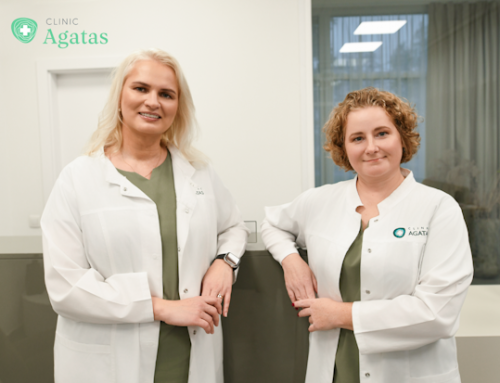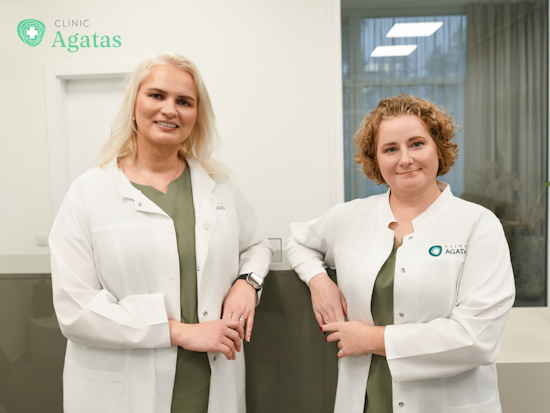
Interview with anesthesiologist, resuscitation doctor, pain specialist Jurgita Jasulaitiene
– Doctor, let's start from the beginning. What is spinal stenosis and why is it more often diagnosed in older age?
Spinal stenosis is a narrowing of the spinal canal, which causes pressure on nerve structures. It is usually a natural consequence of age-related changes: wear of intervertebral discs, thickening of ligaments, and the formation of bone spurs. Therefore, this disease is more common in people over 60 years of age, although symptoms can appear earlier.
– What early symptoms do people most often ignore?
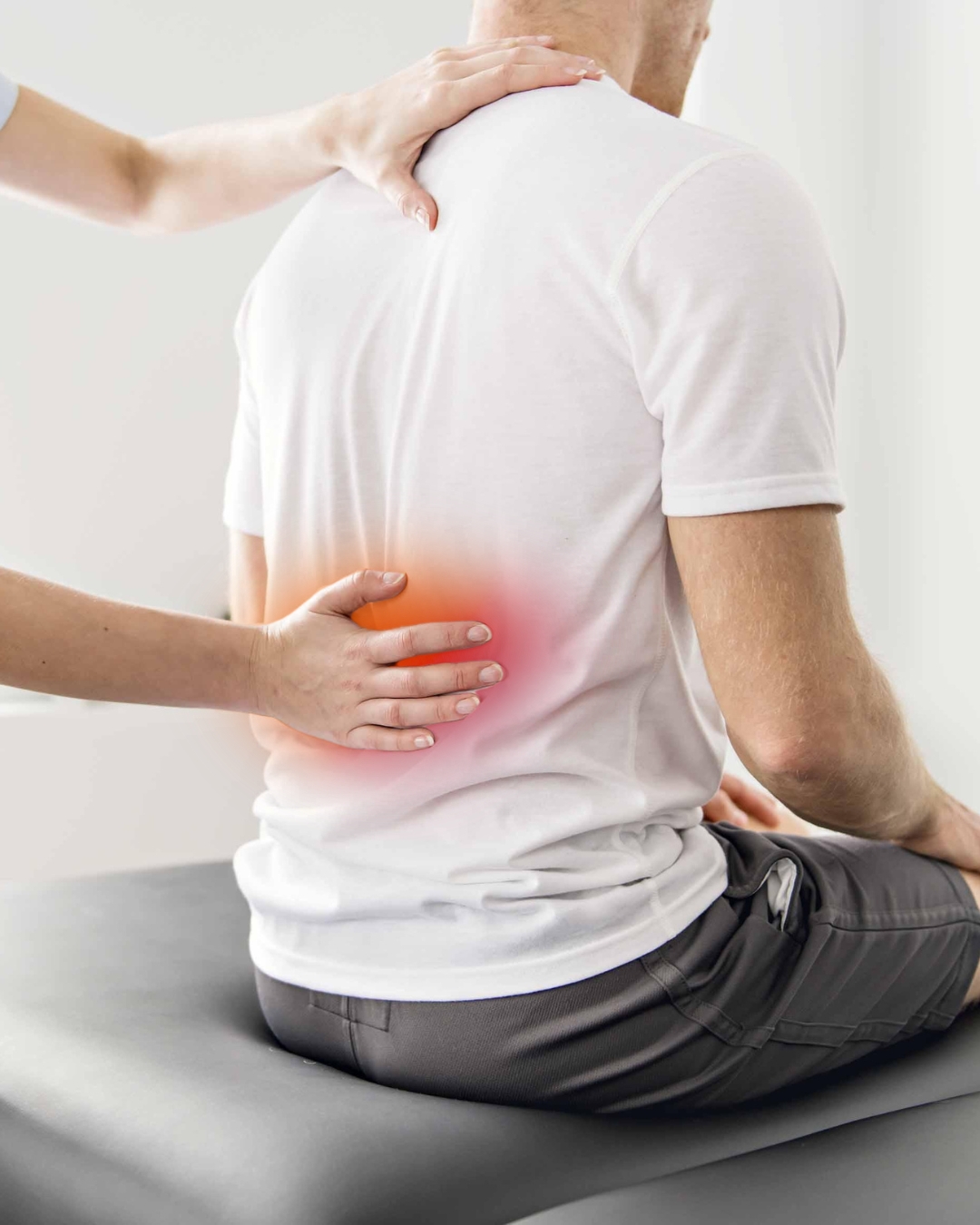
Very often, people attribute symptoms to “ageing.” These can include back or lower back pain, numbness in the legs, weakness in the legs, and a burning sensation in the legs, especially when walking. One of the typical symptoms is when a person can only walk a certain distance and then has to stop, sit down, or bend over to relieve the pain.
– How is this pain different from normal back pain?
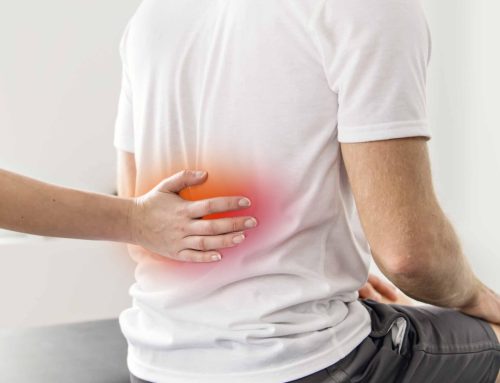
Spinal stenosis pain often radiates into the legs, worsens when standing or walking, and is relieved when resting. It is not just an unpleasant sensation. It actually limits a person's movement, independence, and ultimately their quality of life.
I will tell you a patient's story, which I would call "The Pain That Made Me Stop."
Antanas, 67, has been active for many years. He worked in the garden and loved to go for walks. However, in recent years, he has had to stop more and more often when walking, because his legs began to hurt and go numb. “It seemed as if his legs would no longer obey him,” the man said. He consulted various doctors, including a pain specialist. The diagnosis was spinal stenosis. It seemed that pain and weakness in the legs were inevitable, but this is not the case.
– How does spinal stenosis affect daily life?
It affects a wide range of things, from physical activity to sleep and emotional state. People start to avoid leaving home, fear long distances, and become dependent on loved ones. This can lead to feelings of loneliness, anxiety, or even depression.
– Is it true that spinal stenosis is something we just have to accept?
This is one of the biggest myths. Although we cannot completely “cure” structural changes, today we have many ways to reduce pain, improve mobility and quality of life. It is very important not to suffer in silence, but to seek help.
– What pain relief procedures are used today?
For patients with spinal stenosis, neurosurgeons often perform spinal canal decompression surgery. If the disease is not very advanced, but the patient is in pain or surgery cannot be performed due to comorbidities, targeted injections, otherwise known as “blocks,” are often used. These are minimally invasive procedures that reduce inflammation and nerve irritation. They can help avoid or delay surgery. Procedures are selected individually, taking into account the patient’s condition and comorbidities. After evaluating the patient’s clinical and radiological examinations, a pain specialist may also recommend a cryoneurolysis procedure, when small nerves are damaged by cold and the patient does not feel or feels less pain.
When making appropriate decisions, teamwork among specialists and discussion of the patient's medical history between neurosurgeons, pain specialists, and physiotherapists are very important.
– Are such procedures also suitable for older people?
Yes, very often they are especially suitable for older patients, for whom surgery can be risky. Age in itself is not an obstacle. What matters is the general state of health.
– Does reducing pain also change your emotional well-being?
Of course. When a person can move without fear again, self-confidence returns, mood improves, and desire to communicate increases. Pain control is often the key to an all-around better life.
– When is it necessary to consult a specialist without delay?
If the pain intensifies, interferes with walking, or causes weakness, numbness, or pain in the legs at night, these are signals that cannot be ignored.
– What would you like to say to people who still suffer because they think this is how it has to be?
Pain, especially chronic pain, is not an inevitable part of aging. Help is available, and it is worth accepting. The earlier a person reaches out, the more likely they are to receive help.