
Tennis elbow, also known as lateral epicondylitis, can occur due to repetitive strain on the elbow. It is often found among athletes and individuals who perform physical labor. This condition causes inflammation of the tendons in the flexor muscles, resulting in pain that radiates from the elbow down to the wrist.
When pain arises, it is recommended to consult a primary care physician, start treatment with over-the-counter medications, and engage in physiotherapy exercises. If conservative treatment proves ineffective, seeking help from a pain clinic may be worthwhile. According to the latest research, platelet-rich plasma (PRP) therapy is even more effective than corticosteroid injections for treating tennis elbow.
What is PRP Therapy?
PRP therapy is a treatment enriched with platelets, which accelerates the healing and regeneration of tendons and cartilage.
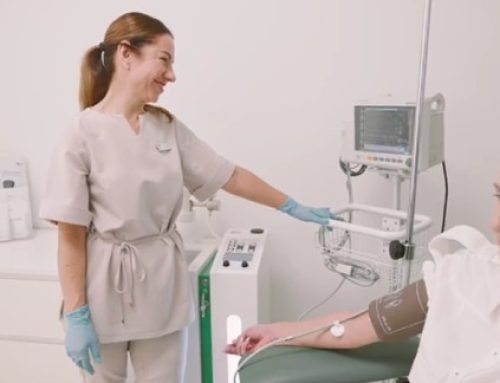
The blood plasma is prepared from the patient’s venous blood through centrifugation, increasing platelet concentration by 6 to 8 times, separating the plasma from the red blood cells. Using ultrasound imaging for precision, the prepared platelet-rich concentrate is injected into the affected area. PRP is an entirely natural procedure without any surgical intervention.
Treating Tennis Elbow with PRP:
If conservative treatment is ineffective, a pain specialist may recommend PRP therapy. This is an excellent alternative for patients looking to avoid surgical operations. PRP therapy is a safe treatment option for those experiencing pain during movement or recovering from injuries. It ensures effective healing, prevents the spread of inflammation, and stops the progression of the condition. Generally, a series of injections is recommended. The pain specialist, after evaluating the severity of your condition, will explain the proposed treatment course.
How to Prepare for PRP Therapy?
This is a convenient and quick procedure using only the patient's blood, so there is minimal risk of rejection by the immune system. The procedure typically takes up to an hour and is performed on an outpatient basis without any special preparation. Depending on the patient’s condition, 1 to 3 injection sessions may be administered. Additionally, the specialist recommending PRP therapy may advise you to avoid anti-inflammatory medications for a week before and after the procedure to ensure the maximum therapeutic effect.

What to Expect After PRP Therapy?
PRP therapy injections stimulate the release of anti-inflammatory growth hormones, which promote muscle regeneration. They also enhance collagen synthesis, playing a vital role in healing the affected area. Patients undergoing PRP therapy can expect effective and noticeable pain reduction about 3 to 4 weeks after the first session. Healing speed may vary based on the severity and duration of the patient's condition. During the initial procedure, patients should feel a gradual reduction in pain. Complete recovery can take from 4 to 6 months, depending on the patient’s regenerative abilities.
Clinic Agatas uses one of the most innovative and advanced PRP centrifuges for pain treatment.
In addition to treating tennis elbow, PRP therapy is suitable for treating:
-
Arthritic pain
-
Osteoarthritis
-
Rotator cuff tears
-
Heel/foot pain – plantar fasciitis
-
Achilles tendonitis
-
Patellar tendinosis
Appointments with Clinic Agatas pain specialists can be made online by filling out the registration form or by calling: +370 602 26118.
Let us help you remember who you were before the pain.