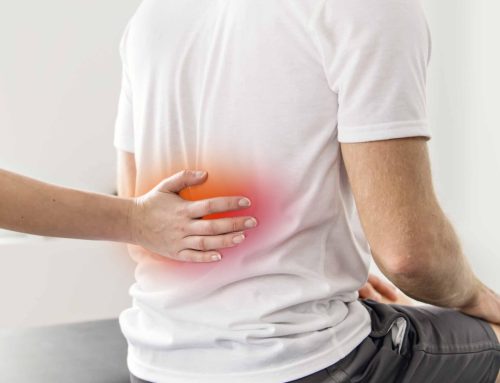
Pelvic pain is a problem that many women face, especially during periods of active life, motherhood or hormonal changes. Although pain can have very different causes, today it is increasingly understood that it is not just a disorder of one organ. It is a complex condition that requires a broader, team-based approach from specialists.
When is it worth consulting a pain specialist? Most often, women first turn to their family doctor and gynecologist. Tests are performed, possible causes are sought, and treatment is prescribed. However, there are cases when the pain persists and begins to interfere with daily life, work, rest, and close relationships.
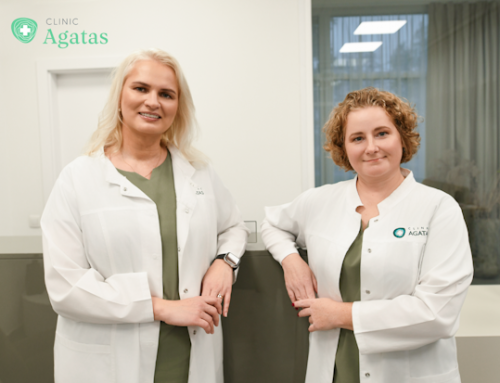
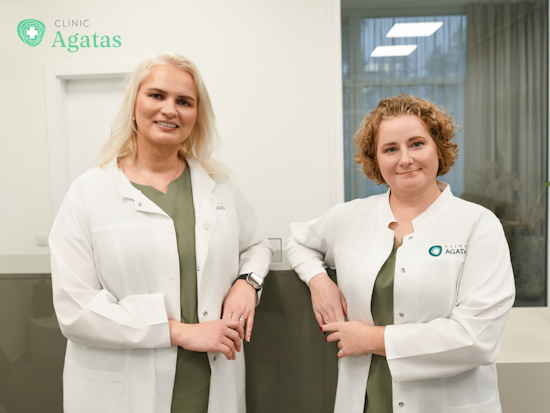
"Admission to a pain clinic should be considered when pain begins to limit quality of life and conventional treatment does not provide sufficient effect," says the anesthesiologist and resuscitator, a pain treatment clinic operating Clinic Agatas in Kaunas and Klaipėda the founder Asta Mažeikaitė – Banevičienė.
Why is a team approach important? Pelvic pain rarely has one clear cause. It can be caused by endometriosis, previous inflammation, childbirth, surgical interventions, muscle imbalances, or even long-term tension and stress. The best results are achieved when, after consulting a gynecologist, a team of specialists works with the patient: a pain specialist, a physiotherapist, and a medical psychologist.
Physiotherapist Greta Baronaitė-Dzimidė notes that after illnesses or surgeries, adhesions often form in the pelvic and abdominal areas, tissue mobility changes, and muscle and fascia tension increases. This can manifest itself not only in pain, but also in urination, defecation, or sexual dysfunction. “Physiotherapy, relaxation techniques, breathing, stretching, and strengthening exercises: all of this helps restore the natural biomechanics of the pelvis and reduce pain,” the specialist explains.
Pain doesn't just affect the body. Chronic pain affects not only a woman's physical but also her emotional well-being. Constant discomfort can cause anxiety, reduce self-confidence, and complicate relationships with a partner. "Women who experience chronic pelvic pain often experience feelings of shame, guilt, and fear of the pain recurring. This can lead to avoidance of intimacy and a negative attitude towards their bodies," says a medical psychologist. Sun Zhentelyte. Psychological support helps you better understand your body's signals, reduce stress, and learn to manage emotions caused by pain.
What can a pain clinic offer? The central figure in the entire pain management process is the pain specialist. He assesses the overall situation, creates an individual treatment plan and, if necessary, applies interventional procedures. “Our goal is not only to reduce pain, but also to help the woman regain her quality of life,” says the doctor, anesthesiologist, resuscitator, pain specialist, specializing in gynecological pain management and with many years of experience in the field of obstetrics and gynecology, Grazina Keraitiene.
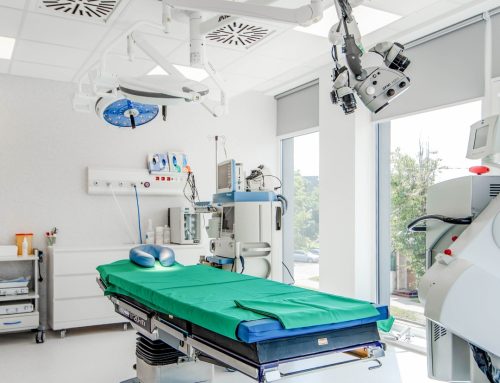
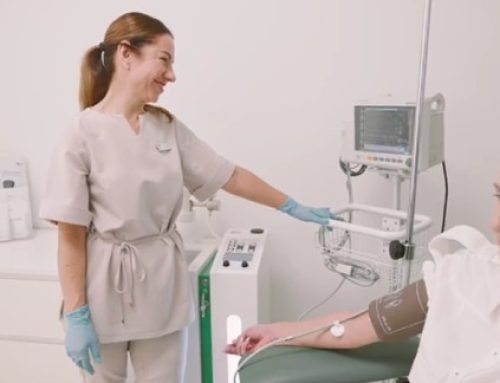
When medical treatment and other conservative measures are not effective enough, interventional pain relief procedures and various nerve "blocks", which temporarily reduce pain perception, and blockade of the sympathetic nervous system node, also known as the stellate node. Stellate node blockade (SNB) is a procedure that affects the part of the autonomic nervous system involved in pain and stress responses. This procedure can help reduce chronic pain, improve sleep, reduce tension, and enhance the effects of other treatment methods. The procedure is always selected individually and is performed only after assessing the potential benefit to the patient.
Cold therapy may also be prescribed – cryoneurolysis. According to the specialist, these procedures can be a turning point for women who have suffered from chronic pain for a long time, especially when combined with physiotherapy and psychological support.
It is important to emphasize that the best results are achieved when interventional procedures are combined with physiotherapy, psychological support, and the woman's own active involvement in the treatment process.