Chronic pain is a widespread health issue – nearly one in five people around the world suffer from it. How can chronic pain be managed, and what exactly do pain specialists do? Anesthesiologist and pain specialist Dr. Asta Mažeikaitė shares her insights.

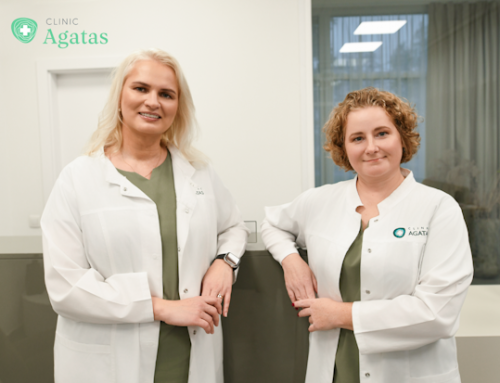
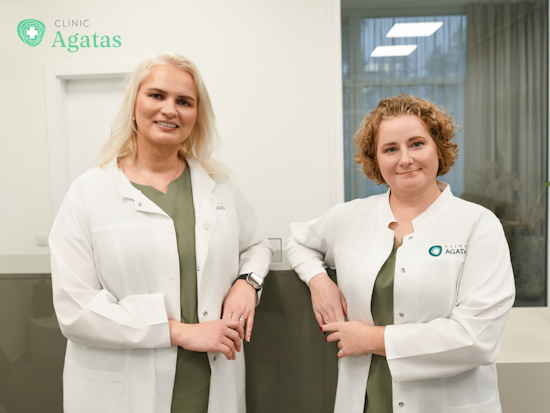
Founder of "Clinic Agatas," pain specialist, anesthesiologist-resuscitator Dr. Asta Mažeikaitė.
The Longer Pain Lasts, the Harder It Is to Manage
According to Dr. Mažeikaitė, 90% of people over 40 have experienced some form of pain. In the past, patients were generally older, over 60. But today, due to lifestyle and the pace of life, younger patients are becoming more common.
“Younger patients take care of their health sooner, understanding that movement is essential. Instead of reaching for medication when they feel back pain, they understand they need physical therapy, regular walking, ergonomic work habits, and to change their posture every two hours," Dr. Mažeikaitė explains.
However, people over 60 are often accustomed to working hard without focusing on their health, and many in our generation do the same. Younger people tend to look at health differently, though Dr. Mažeikaitė notes that they sometimes overdo it.
Acute pain is generally easier to control quickly, while chronic pain, the longer it lasts, presents more significant challenges.
“The sooner we help young people with, for example, spinal herniation, the faster they can return to life, which saves costs on sick leave and helps them reintegrate into family life. Young men, if unable to work, are more prone to depression,” she adds.
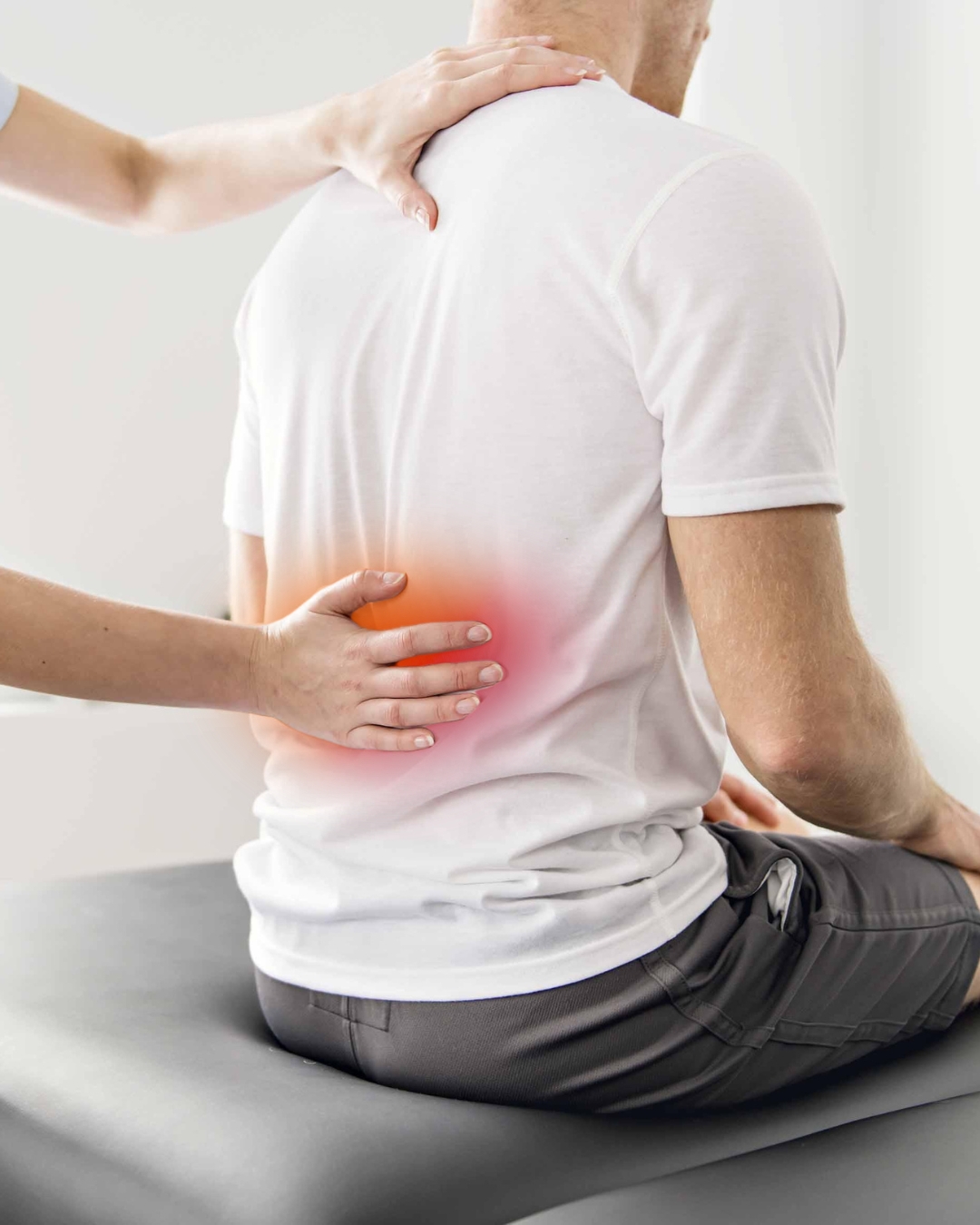
Chronic pain patients often experience depression due to the exhausting nature of constant pain. Pain management usually involves a multidisciplinary team, which combines several specialists.
Doctors Perform “Pain Blocks”
Evaluating a patient's pain sometimes requires several appointments. Patients fill out questionnaires and speak with their doctors. Sometimes, the pain is psychosomatic, stemming from psychological issues.
“For instance, when children bring their elderly parents back from abroad and take them to multiple clinics, it can create confusion. This scenario often activates psychosomatic symptoms. Children try to get their parents seen by every specialist in a short time, which can overwhelm them. It’s even more telling when parents behave differently in their children’s presence than when they attend alone,” Dr. Mažeikaitė says, emphasizing the need for multiple consultations.
Pain management includes both medical treatment and invasive methods if medication alone is insufficient. These treatments, commonly known as “pain blocks,” are performed by doctors.
Although not yet widely used in Lithuania, cold therapy and radiofrequency therapy are slowly gaining traction. Cold therapy freezes nerves to reduce pain, while radiofrequency treatments help patients experience less pain. Dr. Mažeikaitė shares that, starting this year, surgeons in Vilnius and Kaunas can implant spinal stimulators for patients who continue to feel pain despite spinal surgery.
Surgery Doesn’t Always End the Pain
"Everyone thinks that surgery will end their pain, but that’s not always the case. After surgery, patients often need physical therapy and, in some cases, a pain specialist,” Dr. Mažeikaitė explains.
Before surgery, it is often recommended that patients visit a pain specialist, as many can find relief without surgical intervention.
“I’m very proud of our neurosurgeons who don’t rush into surgery, instead advising patients to work with pain specialists and physiotherapists first. If they still need help afterward, they can return. This approach is commendable because many opt for surgery first, performing extensive procedures, only to refer patients to pain specialists when results are unsatisfactory. That leaves us with a more challenging case,” Dr. Mažeikaitė says.
However, some cases do require surgery, she notes.
If pain persists for more than three months, it is considered chronic. In such cases, the first step is always to consult a family doctor, who can assess the patient and refer them to a pain specialist if necessary. The sooner invasive treatments are applied, the faster the patient can return to daily life.
“This approach saves time and resources because it eliminates the need for prolonged sick leave. Currently, patients are granted sick leave for three months, only to return to doctors who are unsure of the next steps and then send them to pain specialists. For us, determining the best approach may also take months. Sometimes, just one or two visits suffice, but other times, more intensive work with the patient is necessary,” she adds.
Dr. Mažeikaitė notes that some doctors are reluctant to refer patients to pain specialists or may even discourage them.
“They’ll ask the patient, ‘What are they going to do for you there?’ If they’re not sure of our role, it’s better not to say anything. We help 85% of our patients, and for the remaining cases, we still aim to reduce pain. If a patient has severe spinal stenosis with multiple degenerative changes and expects complete relief, that’s unrealistic. But our goal is to reduce pain to a level where the patient can take care of themselves and avoid medication,” Dr. Mažeikaitė explains.
Acute pain can have many causes. Dr. Mažeikaitė mentions trigeminal neuralgia, postherpetic neuralgia, and neurological diseases as common examples. Any acute pain can transition into chronic pain, most often related to spinal issues.
“Chronic pain often stems from acute pain causes that weren’t addressed in time. Once the spine is compromised, it’s a lifelong concern. Organs like the heart and kidneys can be transplanted, but there’s no replacing the spine. Damage remains lifelong, but it’s possible to learn to manage and care for it,” she says.
In the future, she sees occupational therapists joining the pain management team. In other countries, chronic pain specialists visit patients’ homes, observing and recording their movements to teach safer daily practices. Even simple actions like bending down to open a drawer can be done safely with guidance.
“For elderly patients, it’s worth considering whether they need to rake leaves or tend gardens. If so, they should use tools with longer handles. If carrying water, avoid heavy buckets,” Dr. Mažeikaitė advises.
According to Dr. Mažeikaitė, chronic pain patients often require psychological support, even if they deny it.
A Patient's Success Story
Dr. Mažeikaitė recalls a particularly patient individual whose story illustrates the impact of consistent effort.
“It was December 27, 4-5 years ago, when two daughters brought their 80-year-old father to me, pleading for a consultation. They said, ‘Doctor, we buried our mother a month ago, and we can’t lose our father too.’ He could not walk at all and had severe spinal stenosis with no surgical options left. I applied pain blocks, and both a psychologist and a physical therapist worked with him twice a week.
By summer, this gentleman came to visit us with tomatoes he had grown, walking on his own without crutches. He worked hard and wanted to help himself. Patients shouldn’t expect miracles from doctors. We provide 20% of the help, but 80% of the effort must come from the patient,” she concludes
You can register with Clinic Agatas pain specialists here.