One of the reasons people sometimes delay going to a pain clinic is the fear of getting used to the medication or procedures. This is a complete myth. Modern pain management is a complex work of various specialists, not the prescription of one drug or another.
How pain specialists really treat
Pain management is based on two principles: precise invasive interventions and drug or infusion therapy. Injections are given where the pain occurs, using ultrasound or X-ray. These can be trigger point, facet joint, nerve root or epidural injections. When necessary, intravenous infusions are administered. The combination of methods is selected by the doctor after examination and evaluation of tests.
Starting treatment: a realistic goal and joint work
First, you need to agree on how you will achieve your common goal. During the consultation, the pain specialist listens to your complaints, performs movement tests, and analyzes other tests the patient has brought. The doctor also explains what measures will be used, how many of them may be needed, and how long the effects can be expected. Expectations are just as important here as the medications.
Patient engagement is essential. Exercise, physiotherapy, posture correction, sleep hygiene, and psychological support enhance the benefits of the procedures and restore daily activities.
A subtle fact that changes decisions
Lower back pain is extremely common in Lithuania, experienced by approximately two-thirds of adults. The bigger the problem in the population, the more people tend to wait and “see if it goes away”. The consequence is simple: later, not a single injection is needed, but a combined plan with several stages. Early consultation often shortens the path to relief and allows you to get by with a smaller number of interventions. The conclusion is clear: delaying is useless, because waiting makes treatment more expensive and longer, and the result is more modest.
"How many times will it take" and why repetition is not endless
Chronic pain is inherently recurrent. Due to inflammation, irritation of nerve structures, or mechanical factors, some patients require maintenance procedures after several months or years. This is not a habit. It is a logical reaction to the fact that tissues heal unevenly, and the loads in everyday life do not change instantly. For others, one cycle is enough and the pain does not return for a long time. There are also cases when, after conservative treatment, it is necessary to consult a neurosurgeon. The decision is determined by the course, and not just the patient's desire to "not repeat it again."
What is hidden behind the word "blockade"?
The word has taken root, but nothing blocks anything. It is a precise injection of anesthetic and steroid medication into the source of pain. Precision here means everything. Visual control allows you to reach the area where the medication works best and minimize unnecessary exposure to surrounding tissue. Trigger point injections help with myofascial pain, epidural injections can relieve radicular pain, and facet joint procedures are useful when the pain is caused by minor joint inflammation.
When you need more than needles
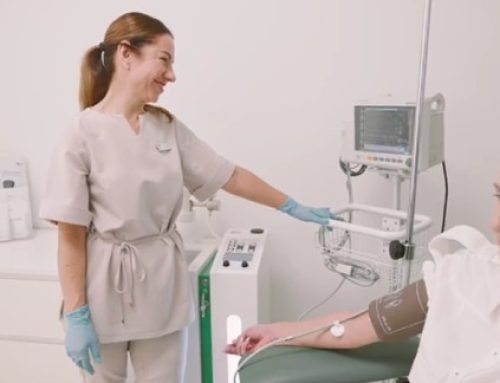
If indicated, radiofrequency neurillosis of small peripheral nerves or cryotherapy is used, which temporarily interrupt the spread of pain impulses. Intravenous infusions, such as lidocaine or ketamine, are used for a quick effect. This is performed only in a pain clinic, under the supervision of experienced specialists. Clinic Agatas also uses ozone therapy, when the aim is to reduce inflammation and improve tissue oxygenation, combining this method with other measures, if appropriate for a particular case.
Outpatient, safe, without long stays
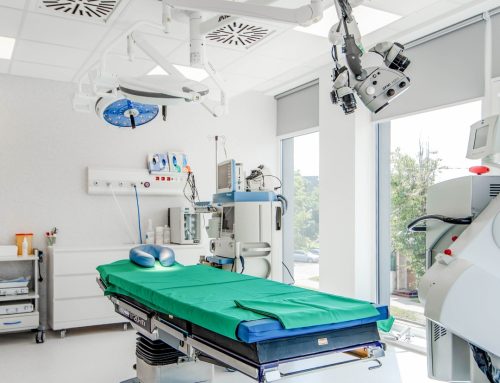
Most procedures are performed on an outpatient or day hospital basis, with the patient returning home the same day. Modern video monitoring increases accuracy and safety, and potential complications are anticipated and managed. What is often surprising is not the pain, but how quickly everything happens and how quickly you can return to your normal routine.
When is the time for surgery?
Good pain medicine recognizes the limit when conservative measures no longer bring sufficient benefit. In this case, the next step is a consultation with a neurosurgeon. The Clinic Agatas team also includes neurosurgeons. Decisions are made after reviewing the images and assessing the entire course, not just the intensity of the symptoms on a particular day.
Why a team wins against a single "miracle player"
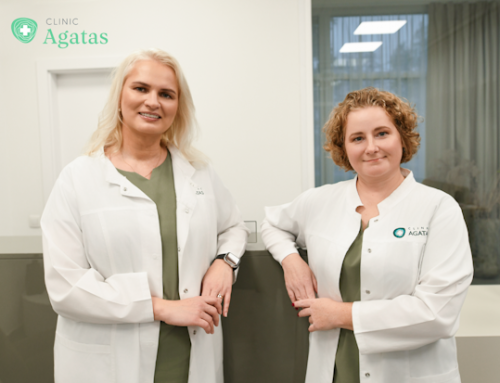
Pain management is a team effort. Anesthesiologists, intensive care physicians, pain specialists, physiotherapists, psychologists, and, if necessary, neurosurgeons. An individualized plan and patient involvement usually mean less pain, better sleep, and a return to normal activities. This is not a promise for everyone. It is a strategy that often works when the plan is followed.
Clinic Agatas' goal is to achieve the best possible outcome for the patient. If you are ready to work together, we will help you regain what pain has obscured.